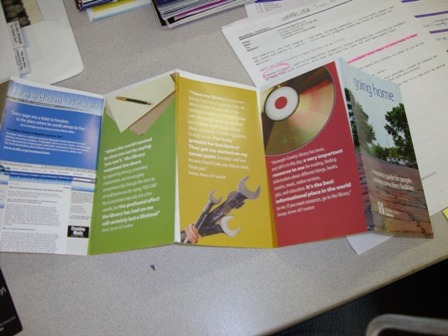
This is a nice, succinct overview of weeding a school library collection. It was published by the California Department of Education, and while it does not have any “unique” information from the CREW manual, it is nice to see something pared down to two pages.
It includes a nice acronym of the MUSTY definition (although this one combines the I-E into one encompassing “Irrelevant”), a short guide to more bibliographic resources on weeding, suggested guidelines on weeding by copyright date (broken down by Dewey subject), and a few other helpful tips!
I also appreciate that it is well designed, and easy to read. This can be rare for library publications!
While I was a frequent SFPL patron when living in the Bay Area, I never explored their Kids + Teen programming options. Not surprisingly, they have a wide and diverse array of offerings.
They now even have their own teen web platform they call The Mix at SFPL,which curates all of the teen programming, events, resources, and teen-created content (such as book recommendations and social media) onto a separate “The Mix” website. Finding it was easy – clicking on the “Teens” link from the San Francisco Public Library homepage takes you straight to the site.
While I’m not crazy about the design and layout (it looks pretty outdated in a clip-art/MS paint way to me), I do like the idea of creating a separate web space with a distinct feel from the rest of the SFPL site. It also creates a “for us, by us” sensation by weeding out content that most likely wouldn’t be interesting for library users ages 12+.
An umbrella name for everything teen-related (”The Mix”) also makes for fun marketing opportunities and a cohesive programming feel, such as the page “Made at the Mix” (see below).
Interesting links included on The Mix page include:
“Made at the Mix” : Featuring media content that was all created during teen programs and classes at SFPL
A Resources page specifically for research and educational resources
“Your Future” : With links for job and volunteer opportunities, as well as college information!
Their Events Calendar (w/aggregated teen events from all SFPL branches) is also pretty robust!
This is a really great resource for YA collection development, specifically in the environment of juvenile detention center libraries.
The LSYC website has a whole Resources for Collection Development link. This includes specific collection development policies for incarcerated youth from different counties, such as Alameda County’s in the Bay Area (this one is not much different from their general YA Collection Development Policy, although it does mention specifically working with the Juvenile Justice Center to select appropriate materials for incarcerated youth), and Hennepin County’s, which is specifially for juvenile detention center libraries. This one includes a list of restricted materials, considered not “appropriate reading material” for this population.
The “Resources” link also talks about the In the Margins book award, which I had not heard of before, but which often deals with authors and topics surrounding incarceration in the youth community. The award’s mission statement is as follows:
To seek out and highlight fiction and nonfiction titles (Pre-K through adult) of high-interest appeal to youth, ages 9–21, that reflect marginalized and/or street culture with a preference for marginalized books (books that are self-published or from small independent publishers).
This is an interesting blog article from programminglibrarian.org that talks about “Passive Programming” ideas for tweens. I had only read this term in passing, so it was nice to see it in action! I also really like the idea of having activities set out in the library without the need for a specific event at a set time planned. It seems like a great way to make the library inviting at any time – more of a hangout spot.
Some of Kate’s (the librarian who blogged the article) passive programming ideas include bookmark making, trivia questions, zentangles, jigsaw puzzles, and customizable, giant crossword puzzles.
“Passive programs can be a great way to regularly attract students into the library without having planned, specific events. Pick a corner of the library that can be designated for these drop-by activities, set out the supplies and some instructions, and let it go!”
This is a great list of “Story Time Savers”! I found it on the Allegheny County Library Association page, which I was initially directed towards in one of our readings for this course.
The list of ‘Savers’ is basically just an aggregated list of different story time themes, and book ideas for each theme. I like that the list incorporates some standard themes (ex. zoo story time, pet story time), but my favorites are the unconventional ones like Animals Nobody Loves Story Time.
For example this list includes the books:
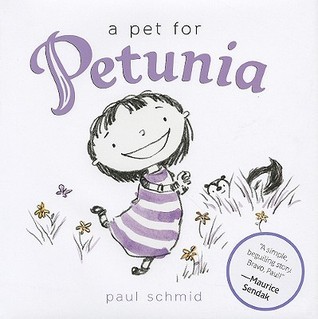
A Pet for Petunia by Paul Schmid. Petunia is just sure she wants a skunk for a pet, until she first smells one. Illustrations are truly delightful and her ‘unfair parents’ rant is great fun to read aloud.
Aaaarrgghh! Spider! by Lydia Monks a delightful story about a spider that desperately wants to be a family’s pet. Another opportunity to scream loudly.
Guji Guji by Chih-Yuan Chen is a great story about a crocodile raised by ducks who is surprised to discover crocodiles eat ducks, but then tricks big, nasty crocodiles and protects his true family.


 manuela aronofsky